Do Movies Get Pirate Life Right? A Deep Dive
When you think of pirates, what comes to mind? Maybe the "Arrrs!" and walking the plank? But did Hollywood get it right or is it all swashbuckling myths?
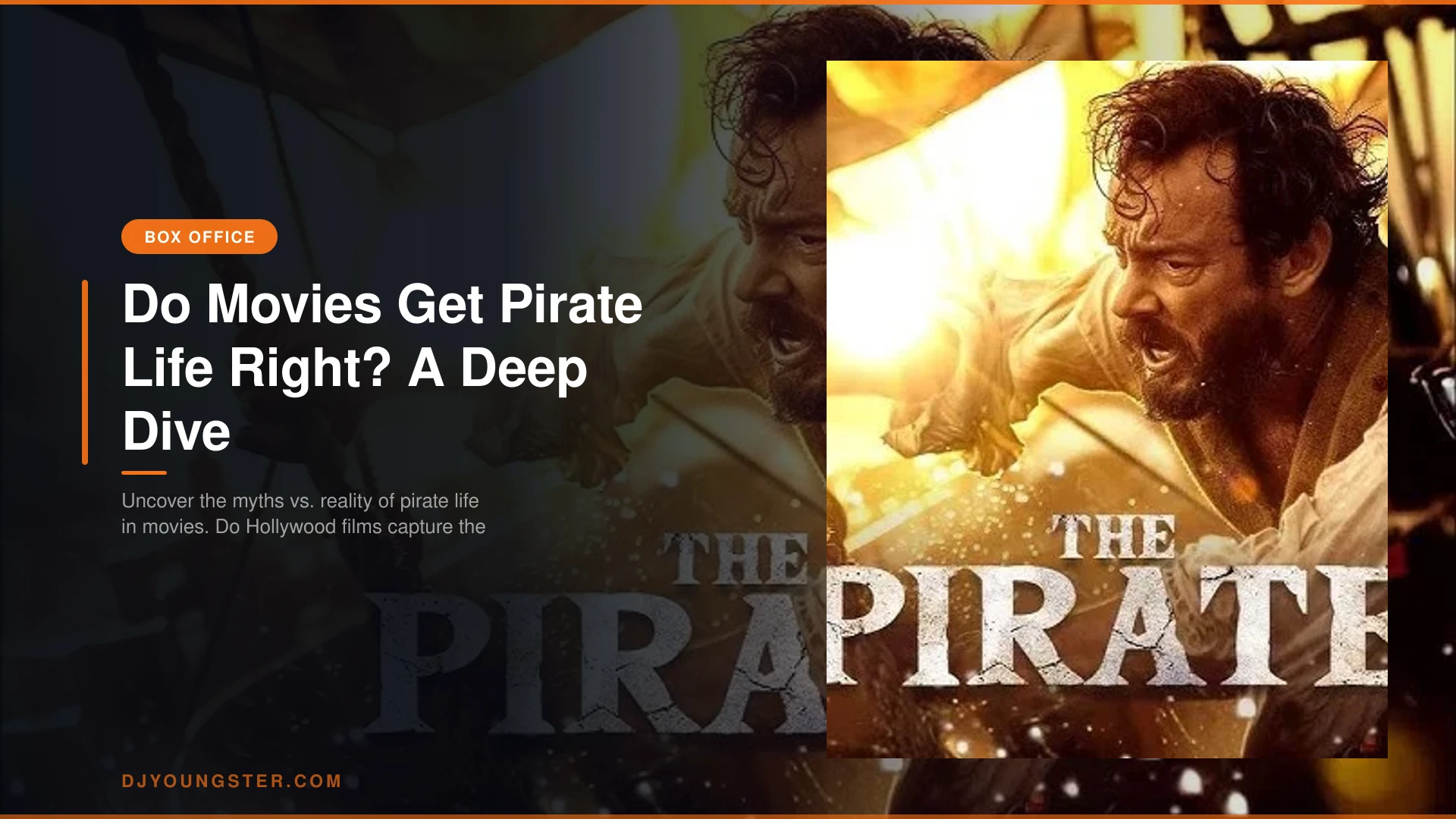
Uncover the myths vs. reality of pirate life in movies. Do Hollywood films capture the truth, or is it all swashbuckling fiction?
When you think of pirates, what comes to mind? Maybe the "Arrrs!" and walking the plank? But did Hollywood get it right or is it all swashbuckling myths?
Hollywood's obsession with pirates has seriously layered our perception with myth and magic. For starters, that iconic image of making prisoners walk the plank – pure fiction. Credit artist Howard Pyle for this dramatic twist, but let’s be real, it wasn’t historically a pirate staple. Pirates, in truth, weren't likely to mess around with such theatrics; they were direct and often brutal.
And those famous pirate exclamations we all love, like "Arrr!"? Sorry to burst the bubble, but these phrases owe more to actor Robert Newton's portrayal of Long John Silver in the 1950 film "Treasure Island" than to any sea dog from the past.
The same goes for the ships we see in movies, often portrayed as massive, gun-bristling giants. Actual pirates preferred smaller, speedy vessels like schooners and sloops. These were ideal for nipping through Caribbean waters and dodging navy ships.
Many of our pirate misconceptions grew thanks to Robert Louis Stevenson's famous novel "Treasure Island." The character Long John Silver became the template for the cunning and cheeky pirate we all love to hate (or love to love). This image was further cemented by actors like Wallace Beery and Robert Newton, creating a pirate prototype that American films have been riffing on ever since.
The "Pirates of the Caribbean" films are a perfect example. While super fun with their rope-swinging action and cheeky Capt. Jack Sparrow, these movies prioritize fantastical adventures over historic truths. I mean, wouldn't you? Real naval battles weren't nearly as chaotic or entertaining as the ones on your screen. If you're curious about how Hollywood's pirate battles compare to real-life history, check out Screenrant's expert response.
Television attempted a different tack with series like "Black Sails," airing from 2014 to 2017. They aimed to keep it gritty and grounded. The producers tried avoiding the usual clichés to some extent but couldn't resist mixing some dramatic flair. They caught flak for historical inconsistencies like ship designs and pirate fashions. It’s clear there's only so much history can weigh against narrative excitement. For those interested in where "Black Sails" stands on the accuracy spectrum, CSP Historical provides a critique.
Despite the inaccuracies, pirates have gripped our imaginations for generations, influencing everything from Halloween costumes to language. Hollywood may have bent the truth, but it gave us characters and stories that are hard to resist. I mean, who really wants to trade Jack Sparrow's antics for cold historical accuracy? Not me!
There's something about the blend of fact and fiction that just clicks and keeps us hooked on the enduring allure of those high-seas rebels. As movies continue to retell (and embellish) the stories of pirates, one thing's for sure, piracy remains an everlasting part of pop culture.
Join Our WhatsApp Channel
Get the latest articles and entertainment updates instantly!

Bol Bhaavein Na Bol: Amrinder Gill’s Nephew Sidak Gill
3 min read
Spider-Man Dominates US Box Office for 4th Weekend
2 min read
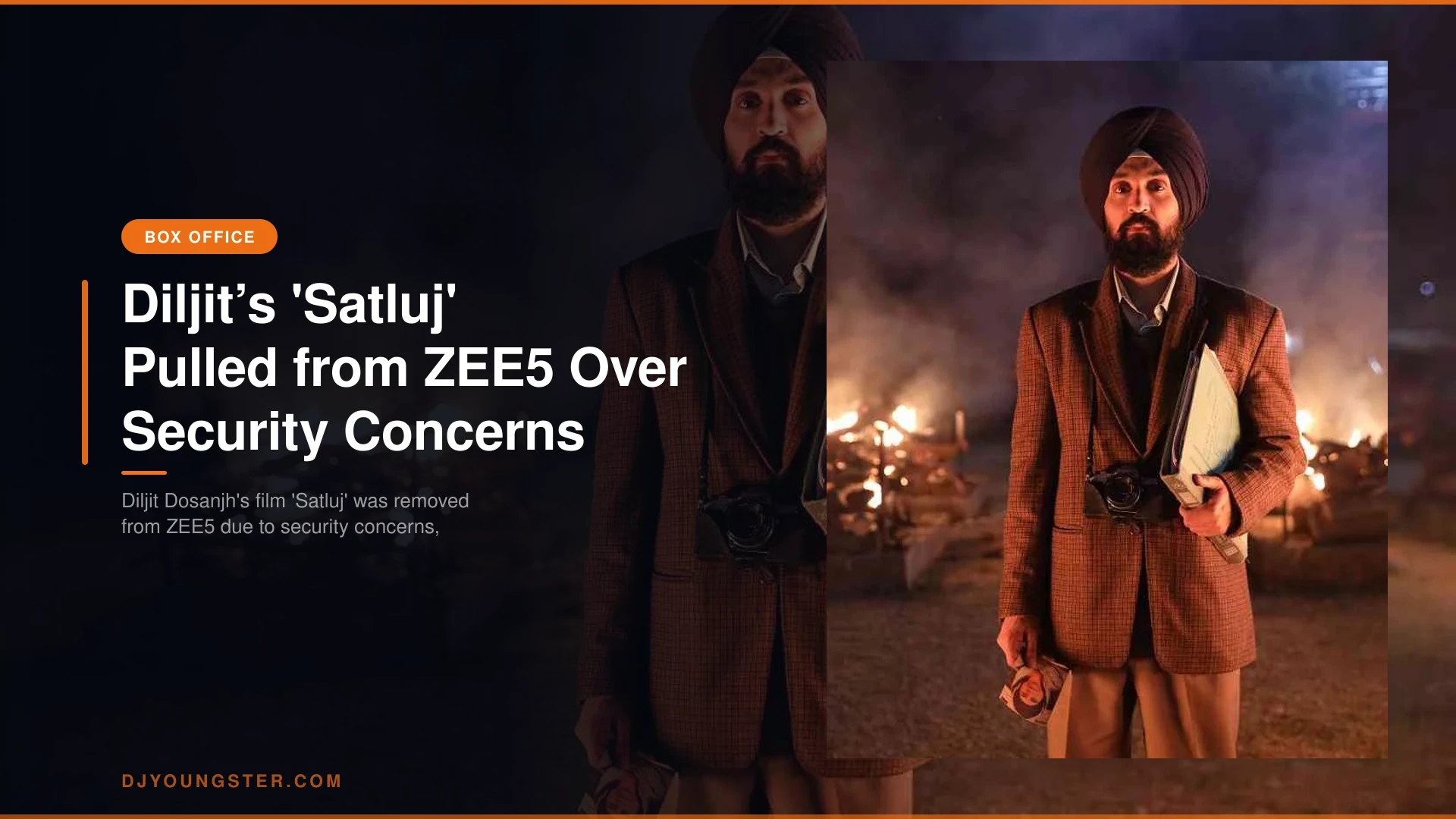
Diljit’s 'Satluj' Pulled from ZEE5 Over Security Concerns
2 min read

Hollywood Diversity in Streaming: Women and Minorities Lost
2 min read
Written by
Music Writer & Lyrics Analyst
Priya grew up in a house where music was always on but nobody ever talked about it seriously. Her father played old Lata Mangeshkar records on Sunday mornings without saying a word about them, just listening. Her brother would come home on weekends and blast Sidhu Moosewala from his room loud enough that the whole building could hear. Nobody in her family analysed any of it. Priya was the one who could not stop thinking about why certain songs felt the way they did.
View all articlesCategory
Box OfficeMore in Box Office
Bol Bhaavein Na Bol: Amrinder Gill’s Nephew Sidak Gill
3 min read
Spider-Man Dominates US Box Office for 4th Weekend
2 min read
Diljit’s 'Satluj' Pulled from ZEE5 Over Security Concerns
2 min read
Hollywood Diversity in Streaming: Women and Minorities Lost
2 min read
Recent Articles
Box Office
Bol Bhaavein Na Bol: Amrinder Gill’s Nephew Sidak Gill

Movie Reviews
Judaa Movie: Gulab Sidhu's Impressive Acting Debut
Box Office
Spider-Man Dominates US Box Office for 4th Weekend

News
Parmish Verma’s ‘Behja’ Creates Buzz Over His On-Screen Chemistry with Harman Brar
Box Office
Diljit’s 'Satluj' Pulled from ZEE5 Over Security Concerns